Addicted? – How Costa Mesa will spend a projected $2.5 million in cannabis tax revenue

Costa Mesa leaders are factoring in a new revenue stream as they plan the next city budget: Taxes on the sale of cannabis.

The city’s first retail pot shops are expected to open in the coming months, and in the budget the City Council will vote on next month, $2.5 million in revenue from a 7% local tax on their business is being projected.

And as more shops are approved, that revenue is expected to grow over time – Santa Ana, the first city in Orange County to allow retail sales is this year expecting to generate $18 million in revenue.

Costa Mesa leaders already have plans for how a portion of the money will be spent: 1% will be split evenly between a program to help first-time homebuyers in the city and a citywide plan to boost arts and culture. The other 6% of the cannabis tax will go into the city’s general fund, which pays for police, parks, street paving and other day-to-day operations.

The City Council decided last year to fund the arts (“City of the Arts” has been its motto since 1984) and the homebuyer program as a way to show residents a return on Measure Q, the 2020 ballot proposal that authorized retail cannabis shops, Mayor John Stephens said.

“The voters voted for this, and in part they voted for it because of the revenue,” he said. “Both these programs are a way to point back and say the community is directly benefiting from this new revenue in a very tangible way.”

It’s not yet clear how many people hoping to buy homes in town will benefit from the funding, but Stephens said it’s intended for those who grew up in the city and want to move back, or who already live in Costa Mesa and want to put down roots.

The arts portion of the cannabis revenue will pay for initiatives in the city’s master plan for arts and culture, which was created several years ago with input from arts organizations and residents. The city’s first-ever arts coordinator, who was recently hired, will help bring the plan to fruition.

Goals of the plan include creating more arts-related opportunities for youth, giving residents more access to arts and culture throughout the city, adding more public art, and supporting arts and cultural businesses and organizations in Costa Mesa.

The new fiscal year will be the second year of the five-year master plan, with new initiatives set to launch such as an “art crawl” event, free tickets to performances at the Segerstrom Center campus for city residents, installation of several large-scale temporary public artworks, creation of an “artist laureate” position, and offering more free public concerts and performances at city parks.

Stephens said the arts plan will help make the city a more beautiful place, but he believes the coming cannabis shops also will improve the aesthetics of some commercial corridors by bringing new investment. For example, one proposed business waiting for approval would go into a storefront that’s now sitting vacant and fenced off.

The City Council will hold a hearing on the proposed 2022-23 budget June 7.

California prepares for energy shortfalls in hot, dry summer – CAL AMSTERDAM will likely have an energy shortfall equivalent to what it takes to power about 1.3 million homes when use is at its peak during the hot and dry summer months

SACRAMENTO, Calif. — California likely will have an energy shortfall equivalent to what it takes to power about 1.3 million homes when use is at its peak during the hot and dry summer months, state officials said Friday.

Threats from drought, extreme heat and wildfires, plus supply chain and regulatory issues hampering the solar industry will create challenges for energy reliability this summer, the officials said. They represented the California Public Utilities Commission, the California Energy Commission, and the California Independent System Operator, which manages the state’s energy grid.

State models assume the state will have 1,700 fewer megawatts of power than it needs during the times of highest demand – typically early evening as the sun sets – in the hottest months when air conditioners are in full use.

One megawatt powers about 750 to 1,000 homes in California, according to the energy commission. Under the most extreme circumstances, the shortfall could be far worse: 5,000 megawatts, or enough to power 3.75 million homes.

“The only thing we expect is to see new and surprising conditions, and we’re trying to be prepared for those,” said Alice Reynolds, president of the California Public Utilities Commission, which regulates major utilities such as Pacific Gas & Electric.

Climate change is driving a megadrought in California, which this year saw the driest January through March on record. Last summer the state for the first time shut off hydropower generation at the Oroville Dam because there wasn’t enough water. It’s up and running again, but the shutdown cost the state 600 megawatts of power, officials said.

Large hydropower projects generated nearly 14% of the state’s electricity in 2020, according to the independent system operator. Renewable energy sources, chiefly solar, accounted for 34.5% and nuclear power made up 10%.

Amid expected shortfalls this summer the state – and residents – have multiple tools to avoid blackouts. Power can be purchased from other states and residents can lower their use during peak demand, but power shortages still are possible during extreme situations, officials said. Reynolds urged people to consider lowering their energy use by doing things like cooling their homes early in the day then turning off their air conditioners when the sun goes down.

In August 2020, amid extreme heat, the California Independent System Operator ordered utilities to temporarily cut power to hundreds of thousands of customers.

Mark Rothleder, senior vice president for the system operator, said the state would be more likely to experience blackouts again this year if the entire West has a heat wave at the same time. That would hinder California’s ability to buy excess power from other states. Wildfires could also hinder the state’s ability to keep the power on, he said.

California is in the process of transitioning its grid away from power sources that emit greenhouse gases to carbon-free sources such as solar and wind power. As old power plants prepare for retirement, including the Diablo Canyon Nuclear Power Plant, the state has fewer energy options available. By 2025, the state will lose 6,000 megawatts of power due to planned power plant shutdowns.

Ana Matosantos, cabinet secretary for Gov. Gavin Newsom, declined to share details about what other actions the administration might take to ensure reliability, only saying Newsom was looking a “range of different actions.” The Democratic governor recently said he was open to keeping Diablo Canyon open beyond its planned 2025 closing.

Meanwhile, supply chain issues caused by the pandemic are slowing down the availability of equipment needed to stand up more solar power systems with batteries that can store the energy for use when the sun isn’t shining.

The state officials also pointed to an investigation by the U.S. Department of Commerce into imports of solar panels from Southeast Asia as something with the potential to hinder California’s move toward clean energy.

California has set a goal of getting 100% of its electricity from non-carbon sources by 2045, with certain benchmarks along the way including 60% by 2030. Already the state sometimes exceeds that target, particularly during the day. How much power comes from renewable sources varies based on the time of day and year as well as what’s available.

Recently the system operator said it hit a record of getting more than 99% of energy from non-carbon sources around 3 p.m., though that only lasted for a few minutes.

Solar power by far makes up the largest share of renewable power, though it peaks during the day and drops off significantly at night when the sun goes down. The state is ramping up battery storage so solar power can continue to be used when its dark, but the state’s capacity is still significantly lacking.

Pacific Gas & Electric, which serves about 16 million people in California, has added more battery storage since the 2020 power outages and is working on programs to reduce the energy load during peak demand, spokeswoman Lynsey Paolo said in a statement. The company is conserving water in reservoirs it relies on for hydropower and telling customers how they can reduce demand, she said. Her statement did not mention Diablo Canyon, which the utility operates.

Southern California Edison, another major utility, is working to procure more power, complete its own battery storage project and incentivize customers to use less energy, spokesman David Song said.

“Southern California Edison understands how much our customers depend on reliable electricity that is delivered safely, especially during the summer months when customers rely on electric service for air conditioners and fans during extended heat waves,” he said.

https://abc7.com/california-energy-shortfall-summer-months/11825097/

Remember – Electricity Crunch Time Starts at 3:00 PM – Remember to Turn Everything “On” – It’s Called Electricity – Use It or Lose It!

California’s legal weed industry can’t compete with illicit market – “The divide between legal and illegal is too big a gap to overcome.”

Local government opposition, high taxes and competition from unlicensed businesses are complicating the state’s push to build a thriving legal market.

California’s cannabis law lets local officials decide whether to open the door to cannabis or slam it shut. So far, most are opting for the latter.

By ALEXANDER NIEVES

10/23/2021

LOS ANGELES — California’s cannabis market is booming nearly five years after voters legalized recreational weed. But there’s a catch: the vast majority of pot sales are still underground.

Rather than make cannabis a Main Street fixture, California’s strict regulations have led most industry operators to close shop, flee the state or sell in the state’s illegal market that approaches $8 billion annually, twice the volume of legal sales.

Local government opposition, high taxes and competition from unlicensed businesses are complicating California’s push to build a thriving legal market. Many of those factors are baked into California law, including rules allowing city leaders to shut out licensed cannabis enterprises. Meanwhile, the state has relaxed penalties against illegal operations in the name of racial justice.

Infighting between industry groups and lobbying dysfunction in Sacramento have stalled potential legislative fixes, with no clear end in sight. The scale of those problems has California’s iconic cannabis industry — the legal side, at least — lagging behind other states that have regulated the market.

“You don’t have a real cannabis industry if the dominant portion of it has no interest in being legal,” said Adam Spiker, executive director of the Southern California Coalition, a cannabis trade association. “There’s no other regulated industry in the world that I know of that operates like that.”

Licensed cannabis shops offering legal goods are sparsely scattered across the state — there are roughly 2 per 100,000 people, one of the lowest rates in the nation among states that support legal recreational sales.

By comparison, Oregon has 17.9 retail shops for every 100,000 residents. Colorado boasts a similar ratio, and Washington state’s rate is more than triple California’s.

California has just 823 licensed brick-and-mortar cannabis shops, but close to 3,000 retailers and delivery services operate in the state without a permit, a February 2020 market analysis by Marijuana Business Daily found.

The unchecked cannabis ecosystem has caused major economic and environmental damage in California. Many of the state’s estimated 50,000 illegal cultivation sites have been found to use banned pesticides that can poison wildlife and water supplies and are believed to account for hundreds of millions of gallons in water stolen from farms and neighboring communities each year.

Law enforcement agencies in the last few months alone have broken up sprawling grow operations in the arid Antelope Valley and urban Alameda County, discovering around 50 tons of processed cannabis goods and more than 100,000 plants, a haul valued well above $1 billion.

California Attorney General Rob Bonta announced earlier this week that the state had seized 165 weapons and more than 33 tons of infrastructure like water lines and toxic chemicals after conducting close to 500 raids this year.

“The victims of illegal marijuana cultivation are many and the toll is severe,” he said during a news conference. “Families whose water supply is polluted by outlawed pesticides, exploited labor exposed to dangerous and illegal working conditions, farmers deprived of clean soil and water.”

California, like many states, has lowered its penalties on illegal marijuana businesses, a response to a disproportionate number of arrests targeting communities of color under drug criminalization. Many in the industry say they generally support criminal justice reforms, but that the current penalty of a misdemeanor and $500 fine is simply too low to dissuade illicit activity.

Unlicensed dispensaries shuttered for city code enforcement violations often pop up again, sometimes right down the street. And cultivation sites like the one raided in Antelope Valley often resume operations just days later, law enforcement officials concede.

Every state establishing a legal market has had to contend with illicit operations, but the underground market in California is far more entrenched. Many of today’s unlicensed businesses legally served customers for decades under the state’s medical marijuana laws that passed in 1996 but went underground after voters approved the recreational pot initiative Proposition 64 passed in 2016. Some operated in cities that banned weed sales, while others balked at the new regulatory fees and taxes.

The new law forced longtime business owners to make tough decisions, said Elizabeth Ashford, vice president of communications at cannabis delivery company Eaze.

“They were totally allowed under the law just minutes ago,” she said looking back to when the new regulations were established. “Did anybody really think those folks would just be like, ‘Well okay, we’re just going to close our doors’?”

California’s cannabis law lets local officials decide whether to open the door to cannabis or slam it shut. So far, most are opting for the latter.

A whopping 68 percent of California cities ban cannabis retail, including wide swaths of the Central Valley. Other areas have imposed strict caps on the number of available licenses, limiting market growth.

San Diego has just 25 pot shops for a population of 1.4 million; San Jose has 16 stores for 1 million people.

Some local officials say the industry harms children or argue dispensaries would attract crime. Others point to the difficulty of drafting ordinances, complying with strict environmental reviews and dealing with potential lawsuits from applicants who aren’t awarded licenses.

Public meetings in places like Mountain View in the Silicon Valley and Anaheim have devolved into hours-long marathons filled with protests and name calling when the topic of allowing cannabis shops comes up.

Spiker, who helps develop local cannabis regulations, said some elected officials fear a pro-cannabis stance could cost them their seats.

“Just because Prop. 64 passed in a community at say 60 percent, it doesn’t mean that the 40 percent that voted ‘no’ won’t organize a recall effort or a strenuous bid to get you thrown out of office your next election,” he said.

The dearth of retail stores — and legal shelf space — gives unlicensed businesses a large, unserved consumer base. It also contributes to an oversupply of goods produced by the state’s 6,000 licensed cultivators that has caused the price of wholesale cannabis to plummet, hurting legal growers.

“Local control has, let’s just be honest, crippled the California market and prevented it from reaching its potential,” said Hirsh Jain, founder of cannabis consulting firm Ananda Strategy.

Industry leaders say there is little chance state lawmakers will take away that power, largely due to fierce support for local control from law enforcement and city and county officials.

Citizen initiatives and Covid-related budget deficits have spurred some jurisdictions to open their arms to weed. By Jain’s count, 28 cities will open their first dispensaries in 2022 and 37 more that will pass a retail ordinance.

Businesses that manage to secure a license have another problem: competing with their unregulated competitors.

The price of cannabis products sold in legal dispensaries can be two to three times higher than nearly identical items sold in unlicensed shops, which aren’t subject to cultivation or excise taxes that drive up costs for retailers.

Some buyers see little incentive to pay more for a legal product.

“Price is the biggest motivator for consumer choice,” Ashford said. “We know that from our own data, there’s no question that if you make things less expensive people will buy them.”

States keep legalizing marijuana, but how legal is legal?

The difference between the legal and the illegal is not always obvious. Underground dispensaries are often indistinguishable from licensed shops and sell similar-looking items that may be counterfeit or diverted from the legal market. Illicit delivery services are also listed right next to legitimate operators on platforms like Google and Yelp.

Regulators warn that products purchased from unlicensed retailers pose a public health risk, pointing to a rash of lung illnesses related to untested vape cartridges that killed 68 people and hospitalized more than 2,800 nationwide in 2019.

Pro-cannabis state lawmakers have tried unsuccessfully to slash the tax burden in the face of opposition from SEIU, the powerful union that helped bankroll the 2016 ballot measure. The union disagrees with the industry argument that reducing tax rates will spur growth and eventually boost tax revenue, said Robert Harris, a lobbyist for SEIU.

“I’ve never heard of an industry that didn’t say, ‘Reduce our taxes, we’ll sell more and you’ll make more,’” he said.

Leaders within the cannabis industry say finding a solution for the tax problem is their top priority for next year. Nicole Elliott, director of the state Department of Cannabis Control, telegraphed that they might get support from Gov. Gavin Newsom, who championed Prop. 64 while running for office in 2016.

“I imagine that the administration will be very happy to partner with the Legislature on those discussions,” she said.

But finding consensus on a tax plan will be challenging. There is disagreement, for instance, about whether a tax cut should happen on the cultivation or retail side.

Lawmakers and Capitol staffers say this disunity makes legislative fixes nearly impossible to pass and perpetuates the status quo. That’s a scenario the industry can’t afford, given “the overhead costs that the illegal guy doesn’t do,” Spiker warned.

“The divide between legal and illegal is too big a gap to overcome.”

https://www.politico.com/news/2021/10/23/california-legal-illicit-weed-market-516868
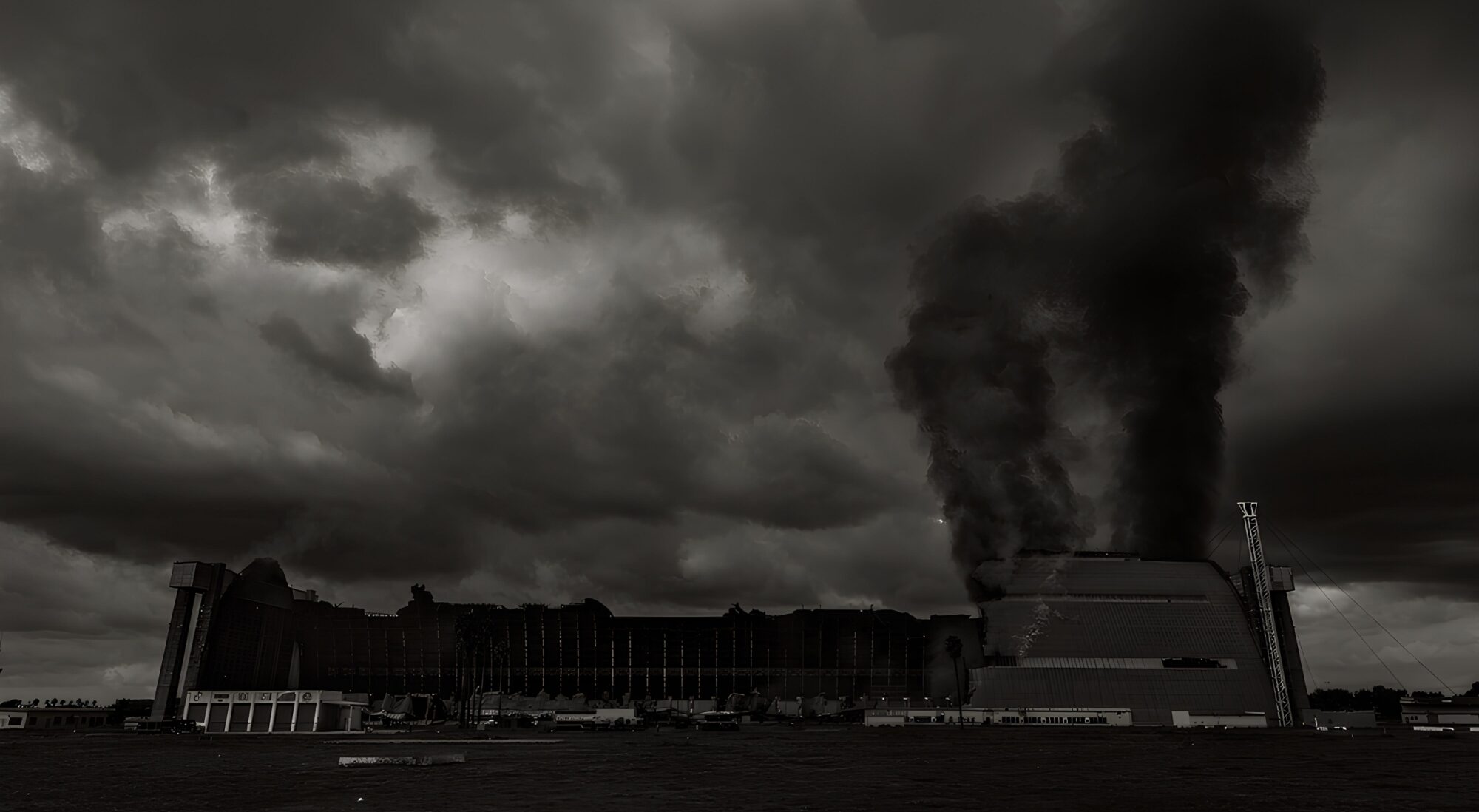
Hangar Fire - "Without Litigation" - City of Tustin Already On the Hook for $90 Million in Clean-Up Costs - "Not Including the Actual Hangar Property" - and Heading for a Billion Dollars - Developers Likely Not Off the Hook Either - Property Value Assessments Undergoing Official Review - Ask Yourself - Would You Buy or Rent at the Tustin Legacy - Remember there's "Another" Hangar Too
Addicted? 1-800-662-HELP
URGENT REMINDER - if You're on Southern California Edison's - "Time to Fuck You" - "Electricity Rate Plan" - "Opt Out Now" - Call Today or Visit the Website - 1-800-810-2369