Jerry Falwell Jr. and Wife Becki Open Up About Pool Boy Sex Scandal: ‘I’m Partly to Blame,’ he Says – Becki Falwell says she made sex tapes with Giancarlo Granda and accuses him of assaulting her after their affair ended

January 25, 2022

Speaking with Vanity Fair, Becki Falwell says she made sex tapes with Giancarlo Granda and accuses him of assaulting her after their affair ended.

Over a year after Jerry Falwell Jr. and his wife Becki Falwell confirmed her affair with a former Miami pool attendant, the couple has opened up in detail about the scandal, which led to Falwell Jr.’s resignation from Liberty University.

In a series of exclusive interviews with Vanity Fair, the spouses — who say they’ve been able to move forward from the drama together — are shedding new light on the events leading up to the affair as well as its aftermath.

Their lives first took a drastic turn following the 2007 death of Jerry’s father, pastor and Liberty founder Jerry Falwell Sr.

Although Falwell Jr. had helped his father save Liberty from financial ruin in the past, he claimed, becoming president of the evangelical school presented a unique challenge.

“Because of my last name, people think I’m a religious person. But I’m not,” Falwell Jr., 59, told Vanity Fair in the interview, going on to call the period after his father’s death “the worst three months of my life.”

“There was so much pressure on me to become somebody I wasn’t,” recalled Falwell Jr., who is known for making controversial comments about Muslims, weapons and the LQBTQ community. “I’d wake up each day saying, ‘How am I going to do this?’ ”

Added 54-year-old Becki, who became the first lady of Liberty, “We had to put on an act.”

Becki told Vanity Fair that she had grown accustomed to her life as a stay-at-home mother of three prior to her husband’s ascent, and then she struggled with the spotlight that came with his job and feelings of loneliness as her husband worked more. Around that time, she decided to get a makeover and began noticing that boys on campus were giving “me attention that I’d never gotten before,” she said.

“I didn’t have a college life,” she told Vanity Fair, and her curiosity wound up leading to “the biggest regret I’ve ever had”: her affair with Giancarlo Granda, then a 20-year-old pool attendant in Miami Beach.

While vacationing at the Fontainebleau hotel pool in March 2012, Granda approached the couple and ended up slipping her his number, leading to flirtatious texts with Granda, the couple told Vanity Fair.

“I had someone I could talk to,” Becki said. “It’s that dopamine rush. All of a sudden this young, handsome fella starts texting you and giving you attention and you’re like, wow, this is kind of nice.”

Granda previously told Reuters that he had an affair with Becki while Falwell Jr. watched. Both Falwell Jr. and Becki have denied his involvement and accused Granda of trying to blackmail them, which he has previously denied.

Asked about the couple’s recollection, Granda told the magazine that his memories were very different, but that he declined to comment further.

“I can assure you that everything will be answered in the book and Hulu documentary,” Granda — who did not immediately respond to PEOPLE’s request for comment — reportedly texted Vanity Fair’s Gabriel Sherman.

Back in Miami that summer, Becki said that she and Granda had sex for the first time while Falwell Jr. was looking at properties in South Florida for a business opportunity that Granda had suggested.

Never miss a story — sign up for PEOPLE’s free daily newsletter to stay up-to-date on the best of what PEOPLE has to offer, from juicy celebrity news to compelling human interest stories.

As Falwell Jr.’s professional relationship with Granda continued, Becki decided to come clean to her husband that December, although the affair with Granda continued until 2014, she told Vanity Fair.

After learning about the affair, Falwell Jr. said he still went through with a business deal involving Granda, investing $1.8 million in a hostel that Granda was also a partner in. Falwell Jr. told the magazine that Granda even apologized to him about the affair.

“He said, ‘I hope you’re okay.’ And I said, ‘I’m dealing with it,'” Falwell Jr. said. “The only way I could do it was to detach. I let it go on. I’m partly to blame.”

Ultimately, Becki said she decided to end their sexual relationship in 2014 after Granda became serious with a girlfriend, because she “felt guilty.”

After Becki’s sexual relationship with Granda ended, he still remained part of their life due to his professional ties with Falwell Jr., the couple claimed. But as that business relationship soured, the Falwells began to worry.

“Jerry would wake up every morning and worry that my affair would come out. Both of us did. It’s just horrible to have that over you,” Becki told Vanity Fair.

In late August 2018 — after a lawsuit involving Falwell Jr., Becki and Granda was settled — the couple invited Granda and his family to stay at their farm, hoping it would be an opportunity to say goodbye, they said. However, Becki claimed that during that trip she was assaulted by Granda.

“I kept saying no. I didn’t want to do it. But I was scared to death of him too, because he was still holding everything over me, so we had sex,” she told Vanity Fair.

Granda declined to comment on the allegation when reached for comment by the magazine.

As the relationship between the Falwells and Granda continued to deteriorate, Falwell Jr. told Vanity Fair, Granda sent him a threatening text in June 2020, saying, “revenge is coming soon…I’m taking everyone down with me with my side of the story.”

Making Becki even more worried was the existence of sex tapes that she claimed to have made with Granda: “I had a big Canon camera,” she told the outlet. “A couple of times I put it on the dresser and Giancarlo agreed to it.”

That August, Reuters published an explosive report about Granda’s account of his relationship with the couple.

The allegations, combined with an Instagram photo scandal that had already put Falwell Jr. on an “indefinite leave of absence” from his roles as president and chancellor of Liberty University, led to his official resignation that same month.

As for the current state of their marriage, the couple told Vanity Fair that they’re thankful they’ve been able to heal wounds.

“We’re together more than any couple you will ever meet in your life,” Becki said. “He forgave me, and that’s what Jesus teaches, forgiveness.”

https://people.com/human-interest/jerry-falwell-jr-wife-becki-open-up-about-pool-boy-sex-scandal/

Mark D’Amico already pleaded guilty to the GoFundMe scam. In addition to the prison time, he will also have to pay his share of the $400,000 in restitution on top of a $20,000 fine. A judge also ordered him to undergo gambling, drug and mental health counseling.

CAMDEN, New Jersey — A New Jersey man who conspired a lie with his girlfriend and a homeless veteran to raise $400,000 in donations online was sentenced Friday to 27 months in federal prison and three years probation.

Mark D’Amico already pleaded guilty to the GoFundMe scam. In addition to the prison time, he will also have to pay his share of the $400,000 in restitution on top of a $20,000 fine. A judge also ordered him to undergo gambling, drug and mental health counseling.

D’Amico is one of three coconspirators who pleaded guilty after their story unraveled.

D’Amico, his girlfriend Katelyn McClure and homeless veteran Johnny Bobbitt Jr. came up with a feel-good story about how the vet gave $20 to help McClure after she ran out of gas in Philadelphia.

The story initially captured the hearts of people around the world and they used the lie to raise $400,000 in online donations during the holidays in late 2017 and early 2018.

Since then, the trio has been at the center of a Hulu documentary produced by the 6abc investigative team, called “No Good Deed, A Crowdfunding Holiday Heist.”

The documentary features interviews with D’Amico, McClure and Bobbitt before the world found out the truth.

Their story started to unravel after the veteran sued the couple, accusing them of not giving him the money.

Court documents revealed that almost no part of their story was true and that the couple spent large chunks of the money in a matter of months on lavish casino trips and a BMW.

McClure and Bobbitt previously pleaded guilty to state and federal charges.

Bobbitt was sentenced to five years’ probation on state charges in 2019.

https://abc7.com/homeless-man-gofundme-scam-mark-damico-katelyn-mcclure-johnny-bobbitt-jr/11701207/

The Real Drug Dealers “City Hall ” Don’t Like It when You Don’t Pay Up! – Licensed cannabis businesses in Santa Ana, Los Angeles raided over unpaid taxes – Is it an industry-wide crackdown? If so, some say the timing couldn’t be worse.

April 1, 2022

By BROOKE STAGGS | [email protected] | Orange County Register

Two California Highway Patrol vehicles and a half dozen unmarked vehicles blocked off the parking lot of Super Clinik, a licensed cannabis store in Santa Ana, just after the shop opened at 8 a.m. on the morning of March 18.

With an agent from the California Department of Tax and Fee Administration looking on, several CHP officers went inside, counted out a couple six-inch high stacks of cash and took them from the Birch Street store, according to witness reports and photos from the scene.

Super Clinik owners didn’t respond to multiple requests to speak for this story, while state tax officials said privacy laws prevent them from discussing specific cases. But experts said the operation at the Santa Ana shop had all the hallmarks of a “till tap” civil warrant, which the tax agency uses to seize cash from businesses that haven’t paid sales tax bills despite escalated warnings.

This is the second such operation reported at a longstanding, licensed cannabis shop in Southern California in the past month. In early March, a shop called TLC in Boyle Heights, owned by the well-known industry veterans Jungle Boys, also got raided by the CDTFA and CHP. The business posted video from the incident on its Instagram page, saying officers came in with guns drawn and took more than $100,000 from their cash registers after they paid $18 million in taxes in 2021.

“That’s triggering to all of us because this is what used to happen regularly,” said Dana Cisneros, an attorney who’s worked with cannabis businesses for 15 years.

For decades, law enforcement raided pot shops in California, arresting people on site and seizing goods as businesses operated in the gray space created by loose medical marijuana laws. But with recreational consumption of cannabis legal in California since 2016, and the state giving members of the fledgling industry some leeway, raids of licensed shops have been rare in recent years.

Now, the recent reports of tax raids have industry insiders wondering if state authorities are entering a tougher phase of enforcement when it comes to dealing with licensed operators.

Such an escalation was inevitable on the one hand, as the industry matured. But there’s also evidence that even as most cannabis businesses are paying their tax bills on time, the industry is a bit less likely than others to do so.

The state reports that 99% of all businesses in California pay their sales tax on time each quarter, but the pay-on-time rate for the cannabis industry is about 90%. And with nearly $309 million in tax revenue collected from cannabis businesses in the final quarter of 2021, and nearly $3.5 billion raised since taxes took effect in January 2018, that default rate means cannabis businesses owed the state more than $11 million in past-due taxes at the end of last year.

Add to that another factor — some licensed cannabis operators continue to do work in the unlicensed side of the industry.

Rob Taft, owner of 420 Central in Santa Ana, said he’s long predicted that California and other governments would eventually use tax enforcement to target potential bad actors in the cannabis industry, the way gangster Al Capone was ultimately brought down for tax evasion. In that case, rather than giving businesses leeway, Taft and others suggest the state might have been giving cannabis operators just enough rope to hang themselves.

“We’ve pretty much pounded into (our clients) that the scariest boogeyman in the scope of enforcement is the tax man,” said Hilary Bricken, a cannabis industry attorney in Los Angeles.

Taft and others in the industry said they don’t support anyone not paying their taxes. But they also say there couldn’t be a worse time for the state to start targeting licensed businesses in such a forceful way.

Just 26% of California’s cannabis businesses are turning a profit, according to a January report from the Portland-based data firm Whitney Economics. That’s well below the national average of 42%. Among the 17% of operators who are only breaking even, and the 56% who are losing money, some anecdotally are talking about either leaving California or going back to the illicit market where many of them got their start.

“They’re choking us out,” Taft said.

Where is the protection?

One problem is the persistent existence of the underground cannabis market. It’s tough for licensed operators to start up in California, while it’s not hard for illegal operators to stay in business. As a result, most experts believe the underground cannabis market is about twice as big as the licensed business in California.

That makes tax raids on licensed businesses — by state officials who, in theory, could be stamping out illegal operators — particularly frustrating, Cisneros said.

“I’m not saying anybody should not pay their taxes,” she said. “But where’s the enforcement to protect people who are complying with the law, or at least trying?”

The state’s Department of Cannabis Control has been reluctant in the early years of legalization to make aggressive moves even against unlicensed cannabis businesses. Leaders said they wanted to use a “carrot” rather than a “stick” approach in hopes of getting more illicit operators to move into the regulated market.

While some licensed operators have been frustrated with that approach, Bricken said she’s concerned about the chilling effect that aggressive CDTFA raids will have on efforts to convert more businesses.

“People in the illegal market will see this and it’s another reason to say, ‘Why would I ever transition?’”

The second main factor that licensed businesses say is throttling the industry is the same thing sparking the recent raids: taxes.

Sellers have been raising flags about a need for relief from industry taxes that can easily hit rates of 45%, driving up the cost consumers pay for safe, regulated products and creating a window for unlicensed operators to grab market share. In Sacramento, some lawmakers are pushing to ease cannabis taxes, but most in the industry aren’t confident that they’ll pass.

So in recent months some licensed operators have threatened to withhold their tax payments from the state and put that money into escrow accounts as a way to prove a point. But there’s no evidence that any licensed businesses have followed through on that threat, or that either of the recent CDTFA’s raids had any connection to such an effort.

In the case of Jungle Boys, the company reports it’s been appealing $60,000 in penalties and interest that CDTFA says it owes on a $130,000 tax bill. While that appeal was still pending, the company says the agency came and collected more than what they reportedly owed.

“CDTFA is coming out swinging,” Bricken said. “And they’re the perfect agency to do it because they’re nearly untouchable.”

When asked about till tap operations, agency spokeswoman Tamma Adamek pointed to a document that explains such civil warrants (which typically are executed with help from either the CHP or local police) are issued only after verbal and written collection requests have proven unsuccessful.

The policy states that CDTFA also can collect funds beyond the overdue tax fees to cover the cost of executing the till tap.

That’s why Bricken said she always advises her clients to pay whatever taxes the state says they owe up front, and then appeal to get back any funds that are rightfully theirs.

When businesses get upside down with CDTFA, she said she expects the agency will share that information with the IRS, which can invite federal attention. Reports of raids also can harm relationships with customers, vendors and financers, who already are hard to come by in an industry that’s still considered high risk.

“They are looking to make examples of people,” Bricken said. “And the bigger the target, the more influential the message.”

The CDTFA is not specifically targeting cannabis businesses, Adamek said. But till taps, she explained, do work best with cash-heavy businesses such as bars, gas stations and cannabis stores. While other industries are cash-heavy for different reasons, cannabis operators rely on cash because their product is illegal under federal law and they can struggle to get access to federally-regulated banks.

Rather than risk such drastic action by refusing to pay tax bills, Taft said he’s encouraging licensed businesses to be “good operators” and to protest California’s high cannabis taxes by joining organized efforts to bring rates down. He’s part of a group of licensed business owners that recently filed a petition, for example, asking Santa Ana to lower its local cannabis tax from 8% to 4%.

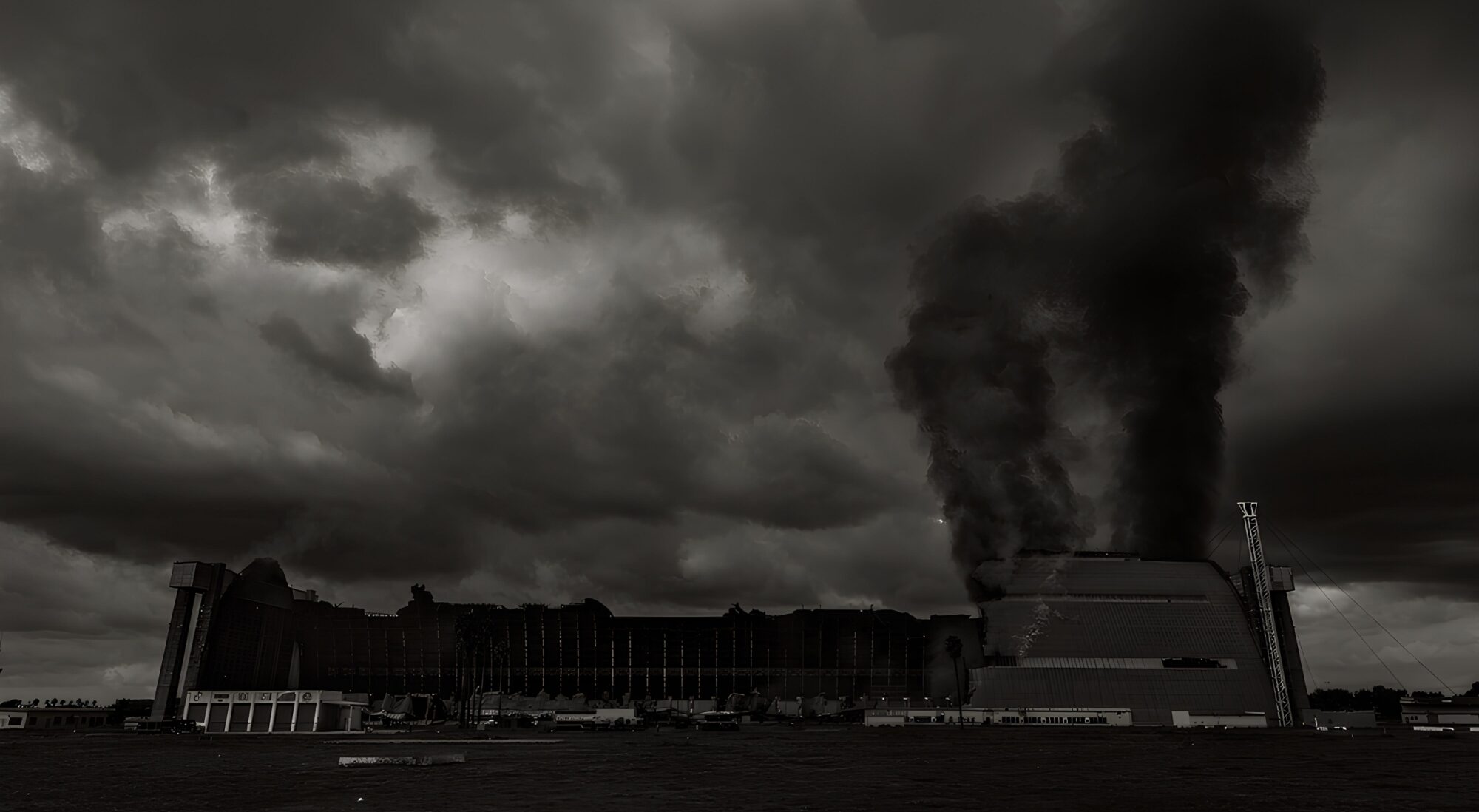
Hangar Fire - "Without Litigation" - City of Tustin Already On the Hook for $90 Million in Clean-Up Costs - "Not Including the Actual Hangar Property" - and Heading for a Billion Dollars - Developers Likely Not Off the Hook Either - Property Value Assessments Undergoing Official Review - Ask Yourself - Would You Buy or Rent at the Tustin Legacy - Remember there's "Another" Hangar Too
Addicted? 1-800-662-HELP
URGENT REMINDER - if You're on Southern California Edison's - "Time to Fuck You" - "Electricity Rate Plan" - "Opt Out Now" - Call Today or Visit the Website - 1-800-810-2369